Gradient Multi Background: A Modern Design Essential
In the evolving landscape of digital design, Gradient Multi Background has emerged as a powerful tool for creators and professionals alike. This versatile concept combines multiple gradients to create visually engaging and dynamic backgrounds that cater to a wide range of applications—from web design to print materials. With file types such as .EPS, .JPEG, and help files, these backgrounds offer flexibility, scalability, and high-quality output suitable for both digital and physical mediums.
The relevance of Gradient Multi Background lies in its ability to meet modern design demands. As users increasingly seek visually appealing content, designers are turning to gradients to add depth, dimension, and aesthetic value to their work. Whether it's for a website header, social media banner, or print advertisement, a well-crafted gradient background can elevate the overall look and feel of a project.
Understanding Gradient Multi Background
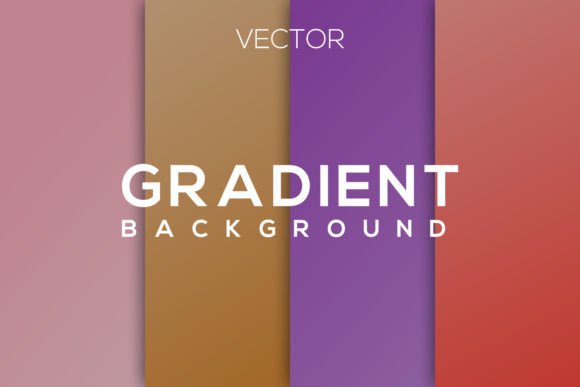
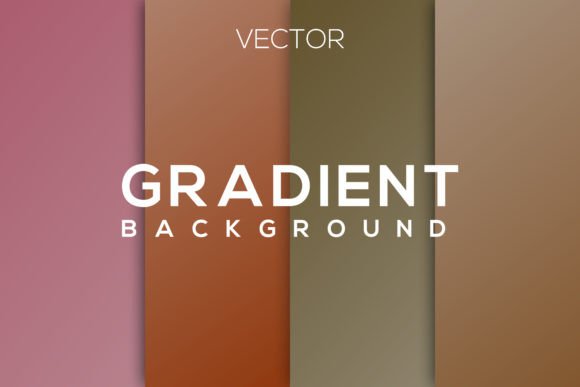
Gradient Multi Background refers to the use of two or more gradients layered together to form a cohesive and visually striking background. Unlike single-gradient designs, multi-gradients allow for greater complexity and nuance, enabling designers to create unique visual effects that capture attention and convey emotion.
This approach is particularly useful in creating soft gradient backgrounds, which have become a popular choice in modern design. Soft gradients add a sense of elegance and sophistication, making them ideal for minimalist layouts, abstract art, and decorative elements. When combined with other design elements like swatches, color cards, or vector graphics, they can produce stunning results that resonate with audiences.
Trends and Relevance in Today’s Design World
As digital platforms continue to evolve, so do user expectations. Modern audiences are drawn to clean, vibrant, and visually engaging content. This shift has led to an increased focus on design elements that are both functional and aesthetically pleasing. Gradient Multi Background fits perfectly into this trend, offering a way to enhance visual appeal without overwhelming the viewer.
Designers and businesses are leveraging gradient backgrounds to stand out in a crowded market. For instance, a vibrant yellow or pink gradient can be used to create eye-catching banners for marketing campaigns, while a blue or green gradient might be more appropriate for a professional or corporate setting. The versatility of gradients allows them to be adapted to various industries and purposes.
Practical Applications and Benefits
One of the key advantages of Gradient Multi Background is its adaptability. With file types such as .EPS and .JPEG, these backgrounds can be easily integrated into different design workflows. .EPS files, for example, are fully vector-based, making them highly editable and scalable. This means that designers can adjust colors, dimensions, and other properties without losing quality, ensuring that the final product meets the desired specifications.
Additionally, the availability of RGB mood variations allows for greater customization. Users can choose from a range of color palettes to match their brand identity, project requirements, or personal preferences. This level of control ensures that the final design is not only visually appealing but also aligned with the intended message or purpose.
High-Quality Output and Technical Standards
When working with Gradient Multi Background, it's essential to prioritize quality and resolution. High-resolution files, such as those at 3000×2000 pixels with 300 DPI, ensure that the background remains sharp and clear, even when printed. This makes them ideal for professional use, where precision and detail are critical.
Moreover, the inclusion of swatch specifications and color cards provides a reference for consistent color application across different projects. This is especially important in branding and marketing, where maintaining a cohesive visual identity is crucial. By using standardized swatches, designers can ensure that their gradients align with the brand's color scheme and maintain visual harmony.
Creating and Using Gradient Multi Backgrounds
For those looking to incorporate Gradient Multi Background into their work, there are several practical steps to consider. First, selecting the right tools and software is essential. Designers often use vector-based programs like Adobe Illustrator or Photoshop to create and edit gradients. These tools provide advanced features for layering, blending, and adjusting gradients to achieve the desired effect.
Once the background is created, exporting it in the appropriate file format is crucial. .EPS files are ideal for vector-based projects, while .JPEG files are better suited for raster-based designs. Additionally, including a help file or documentation can be beneficial for users who may need guidance on how to use or modify the background.
Best Practices for Effective Use
To maximize the impact of Gradient Multi Background, it's important to follow best practices. One key consideration is balance—while gradients can add visual interest, overusing them can lead to cluttered or confusing designs. It's advisable to use gradients strategically, ensuring that they complement rather than overpower other elements.
Another important factor is accessibility. Designers should ensure that the chosen gradients do not compromise readability or usability. For example, a gradient that is too bright or contrasting may make text difficult to read. Testing the background in different contexts and environments can help identify potential issues and ensure a seamless user experience.
Future Outlook and Continued Relevance
As design trends continue to evolve, the demand for Gradient Multi Background is likely to grow. With the increasing emphasis on visual storytelling and user engagement, gradients will remain a valuable tool for creators and professionals. Their ability to adapt to different styles, formats, and applications ensures that they will continue to play a significant role in the design industry.
Looking ahead, we can expect to see more innovative uses of gradients, including interactive and animated backgrounds. However, the core principles of quality, scalability, and customization will remain essential. By staying informed about the latest developments and best practices, designers can continue to leverage Gradient Multi Background to create compelling and effective visual solutions.